Plan Before Treatment
Every job starts with an inspection and a written scope, so you know what the crew found, what they plan to treat, and what the visit covers before any work begins.
Tavernier sits on a narrow strip of the Upper Keys where most homes are concrete block or wood-frame stilts above flood-prone ground. That construction shapes our treatment. From Sunset Point down to the properties lining Tavernier Creek, we handle the same core problems: subterranean termites pushing up from wet ground after rain, mosquitoes breeding in container-scale water around yards, and ants foraging indoors through stilt foundations.
Hot, humid summers increase indoor moisture, and that moisture feeds both pest activity and the wood decay they target. When hurricanes damage roofs and expose buildings, our phone rings for weeks afterward roaches, ants, and rats finding new ways in through lifted flashing and opened eaves.
Our team covers all of 33070, from the Tavernier, FL Keys Wild Bird Center area to Old Settlers Park and the older homes near the water.
Call (855) 681-0299 and we will schedule around your work week, not the other way around.
Year-round, honestly and that is not a sales line. Mild winters allow many pests to remain active here, so a roach or ant problem in January behaves like one in July.
Hurricane season runs June through November, and flooding may displace rodents and other pests indoors we plan exclusion work before the peak months, not after the first tropical system. Extended heat also affects pesticide storage and application timing, so our crew applies products in cooler morning windows during summer. Expect a written findings summary, a practical next step, and follow-up appointments we actually keep.
Three call types dominate here: subterranean termite work, mosquito reduction, and rodent exclusion. Drywood termite swarms often follow warm, humid weather, so late-summer wings on a windowsill near the Overseas Highway usually mean a colony is already inside.
Our most common Tavernier jobs:
Mosquito control around yards that hold water after storm surge or heavy rain.
Rodent exclusion on stilt homes where rats travel along utility lines.
Cockroach treatment for kitchens where high humidity can promote mold and wood decay.
Wasp nest removal under eaves and around docks before summer gatherings.
Salt air accelerates corrosion of exterior equipment, so we inspect bait stations and monitoring hardware more often than inland routes. We cover every address in 33070.
How we work: first we walk the perimeter, checking stilt posts, crawl spaces, and any wood-to-soil contact warm temperatures support year-round termite pressure here, so there is no dormant season to wait out. Homes near Tavernier Creek and the Florida Keys Wild Bird Center sit in leafy, low-lying ground where moisture stays high and subterranean activity rarely pauses.
Freezes are uncommon statewide but possible in north Florida; in Tavernier, they are effectively nonexistent, which is why the West Indian drywood termite thrives in attic framing and furniture without any soil contact. Every product we apply carries FIFRA pesticide labeling, meaning the EPA-registered label dictates rate, site, and re-entry intervals we follow it exactly, especially on homes with open porches and waterfront exposure. If you spot six-sided frass pellets on a windowsill, bag them and call us.
At the federal level, FIFRA governs pesticide registration and labeling, and the Association of Structural Pest Control Regulatory Officials helps states keep enforcement consistent across state lines.
Homeowners in Tavernier call Florida Pest Pros because the crew explains the plan first and treats for the pests this climate actually produces.
Every job starts with an inspection and a written scope, so you know what the crew found, what they plan to treat, and what the visit covers before any work begins.
Twelve years of work across Florida taught us how heat, humidity, and rainy seasons drive termite and mosquito activity, and how that changes treatment for older wood-frame homes and newer construction.
Technicians explain the treatment plan, discuss access needs, and keep you informed about timing and follow-up. The team coordinates appointments from Gainesville and routes crews across Florida's regional markets.
Every job follows the same path from first call to follow-up, so you know what happens at each stage.
Inspection and Quote
A technician inspects the property, identifies the pest and where it is active, and explains what the treatment requires. You get a clear scope and a quote before anything is scheduled.
Prep and Access
Before work begins, the crew walks you through the plan, discusses access to attics, crawl spaces, or units, and asks you to clear stored items and keep children and pets away during application.
Treatment
The technician applies product according to the label, follows reentry and ventilation instructions, and identifies plumbing and utility lines before any drilling. You get clear reentry times and what to expect next.
Follow-Up
For bait stations and ongoing programs, the crew schedules follow-up inspections and checks activity at each visit. You get a record of what was treated and a plan for the next check.
Across pest control calls, the most common reasons people reach out are rodents, general pest control and ants.
A technician inspects the units, confirms where bed bugs are hiding, and explains how heat treatment works, what prep the units need, and what the estimate covers. The owner gets a written scope for the building and a prep checklist so units are ready before treatment day.
The technician inspects for entry points and droppings, sets traps or bait stations where activity shows, and points out gaps around pipes and doors that let mice inside. The homeowner gets a trap plan, a list of entry points to seal, and a follow-up visit to check stations.
A technician inspects the kitchen and bathrooms, treats cracks and drain areas where roaches travel, and recommends sanitation steps that cut off the water and food sources drawing them in. The tenant gets a treatment schedule and simple cleanup steps that keep roaches from returning between visits.
Break one open and check for live insects, but leave the evidence for an inspector.
Discarded wings near windowsills often show up after a termite swarm. Swarmers shed their wings once they land, so small piles of matching translucent wings on sills, floors, or spider webs point to a colony close by. Collect a few wings in a bag and have them identified.
Small piles of termite frass look like coarse coffee grounds or sawdust beneath window frames, baseboards, or furniture. Sweep a pile away and check whether it reappears in the same spot, then call for an inspection.
Bubbling paint above damp wood can hide termite galleries just beneath the surface. Press the area gently; soft spots under intact paint are worth an inspection before the damage spreads.
Warm spring weather starts termite swarming across the Keys, and winged insects around lights or doors are often the first warning. Booking an inspection in spring catches colonies before rainy season accelerates their feeding, and leaves time for treatment and repairs while the weather stays dry.
Hot, humid summers bring heavy afternoon rain, standing water, and peak mosquito and roach activity. Treatments need more frequent monitoring in summer because moisture drives pests indoors and speeds up reproduction. Scheduling service during these months keeps populations from building while entry points and drains stay under control.
Fall sits in the middle of hurricane season, and storms push ants, roaches, and rodents out of flooded ground and into dry structures. A fall service visit checks seals, weep holes, and utility penetrations before the next system arrives, so pests displaced by wind and surge find fewer ways in.
Winters here stay warm and dry, so pests never fully go dormant. Winter is a good time for interior work and detailed inspections, since fewer flying pests are active and scheduling is easier to arrange.
Hollow Doorframes
Before: A homeowner knocks on a doorframe and hears a hollow sound instead of solid wood, with no visible holes or mud on the surface.
After: The technician probes the frame, confirms termite galleries inside, treats the active areas, and schedules a follow-up inspection to verify the colony is gone.
Pest control operators in Florida must be licensed by the Department of Agriculture and Consumer Services. Asking directly confirms the company meets state requirements and that a licensed operator stands behind the treatments applied in your home.
Frequency depends on the pest, the construction of the home, and the climate. A clear schedule with visit intervals and what each visit covers helps you compare providers and know what you are paying for over the year.
Some quotes cover only the initial treatment, while others include follow-up visits, bait station checks, or retreatments if activity returns. Getting the full scope in writing prevents surprises and shows whether follow-up inspections are part of the plan.
Good prep makes treatment work better. Ask whether you should clear stored items from treatment areas, move pets and children out during application, and disclose any prior treatments or termite warranties, since those details change how the crew approaches the job.
Recurring pest control usually involves a service agreement. Ask how long the term runs, what happens if you cancel, whether retreatments between visits cost extra, and how the company handles follow-up inspections for bait stations or monitoring devices.
Request a quote online or contact our Tavernier, FL team directly by phone or email.
A full subterranean termite treatment typically runs $500–$2,500 depending on foundation access and treatment method, while drywood work ranges $1,500–$5,000 based on infestation extent and whether fumigation is needed. A termite inspection itself costs $75–$150 depending on home size and scope. Estimates vary by infestation, property access, treatment method, and site conditions; final quotes depend on an on-site assessment.
Each requires a different treatment approach, which is why identification comes before any quote.
Yes. Our crew covers every address in 33070, including the Sunset Point area, homes along the Overseas Highway corridor, and waterfront properties near Tavernier Creek. Scheduling is local we confirm access, gate width, and any dock or stilt entry before arrival so treatment day runs without surprises.
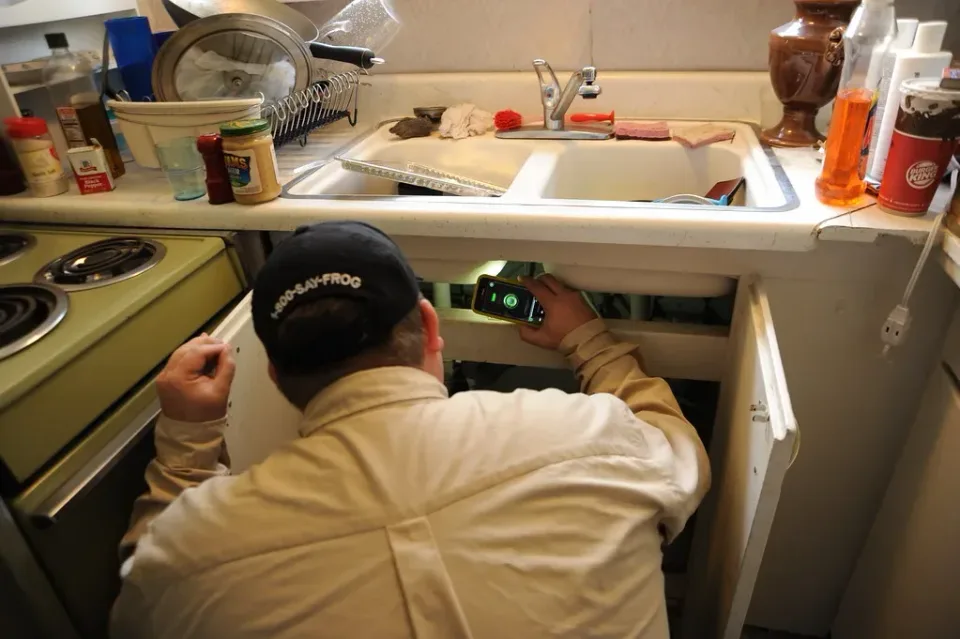
Move stored items away from inspection areas, keep children and pets away during application, and confirm treatment preparation before the appointment. We bring a moisture meter for wood moisture readings and an inspection flashlight for attic and crawlspace checks, so clearing closets and attic hatches helps us work faster. If you know of termite or pest activity, point it out it saves diagnostic time.